
Resentment Reset Journey
Helping people with strong ideals move from resentment to self-respecting action

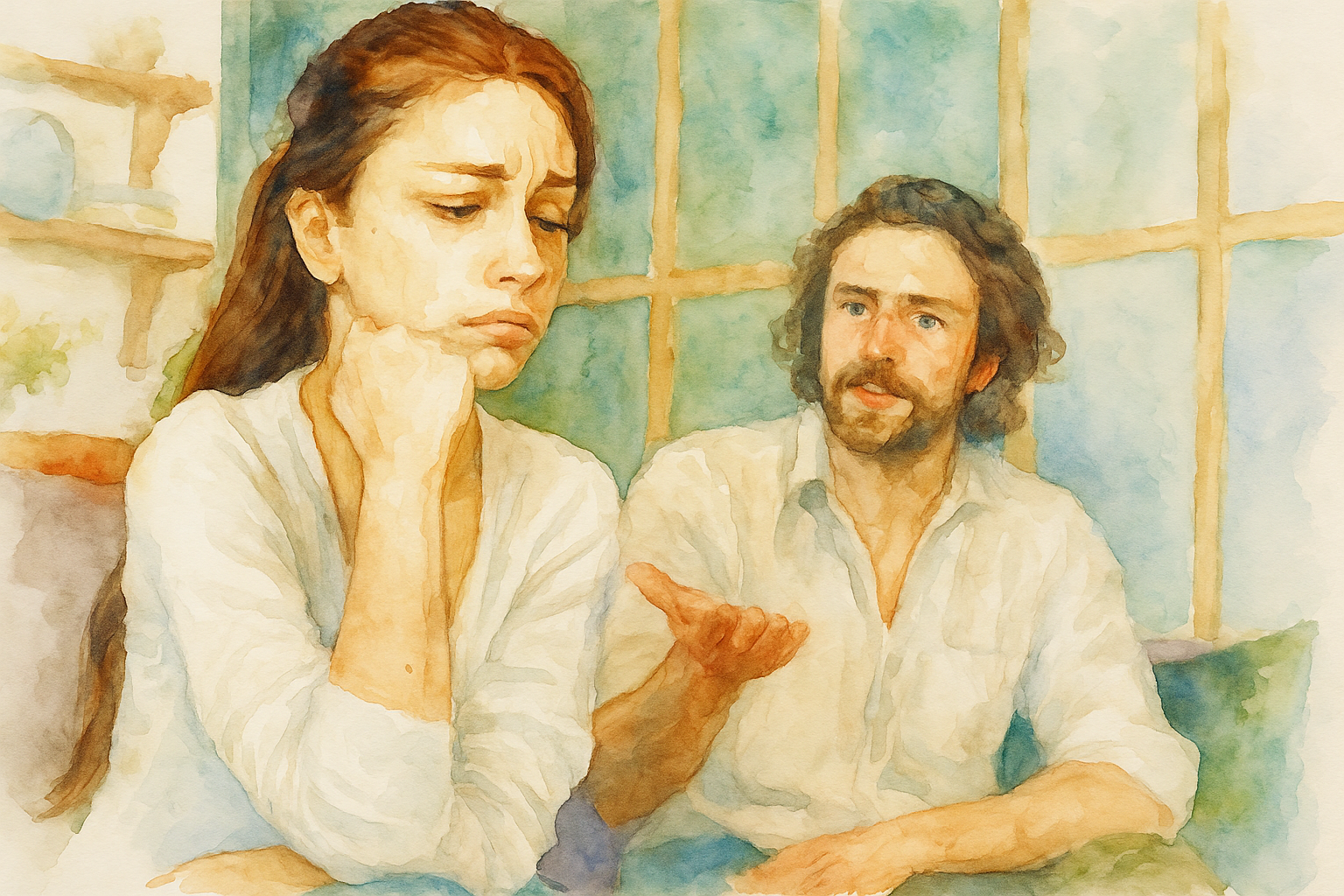
After people let you down, you still hold on. Your loyalty runs stronger than most. But you still think about what happened because it matters to you.
These reactions are not defects. They are strong inner faculties misdirected under pain.
Loyalty stretches past its limit. Imagination keeps the past alive. Vigilance never rests. What once gave your life meaning begins to anchor you there—waiting for the damage to be repaired and resenting the delay. This is the waiting and hating trap.
From here, people turn to advice. Moralists say to forgive. Therapists say to reframe the past. Coaches say to build boundaries. Each captures something important, but they all overlook your hidden strengths.
People begin the Resentment Reset Journey not because they are weak, but because they are tired of misusing the traits that are strongest in them. Profound resentment only arises in people with depth, loyalty, imagination, and moral seriousness. The suffering is real—but it is also a sign. It tells you your strengths are being turned against their owner.
Turn your strengths into forward movement.
Begin the Resentment Reset Journey.

The philosophical foundation of the Resentment Reset Program is summarized in three words by Heraclitus:
“Character is Destiny.”
The meaning of this quote is simple, but the implications are profound. What people do is not freely chosen from unlimited options. What people do is not freely chosen from unlimited options. Action flows from character, and choice can at most adjust the direction of its expression. Free will is a steering wheel. But character is the engine.
This understanding places a healthy limit on many emotions that disturb us. You don’t second guess yourself as much when you realize you can’t be a completely different person. You don’t resent someone for betraying expectations that were outside the scope of their character in the first place.
This journey is not about forgiveness. It is about direction. It is about rising as a protector of your values rather than a protester of the past. We turn blame into responsibility. We turn reactivity into creativity. We turn resentment into realism. We rise above what happens, rather than looking down on those who caused it.
If you want to discover the destiny that unfolds when your natural strengths are put to proper use, the Resentment Reset Journey begins here.
Testimonials
-
“When I started coaching, I was carrying a lot of anger—at myself and at other people. Social situations made me anxious, and I was relying on unhealthy habits to cope with how overwhelmed I felt.
Over time, I noticed that I wasn’t getting pulled into the same mental patterns as often. I became better at pausing, regulating myself, and dealing with things more directly instead of escaping them.
Eventually it became hard to relate to how stuck I had felt before. I felt more grounded and more capable of handling my situation as it actually was. Journaling helped me make sense of what I was feeling and decide what to do next, rather than staying confused or reactive.
As a result, I rebuilt relationships, established consistent daily practices, and felt more focused and creative. Most importantly, I became more honest with myself and more steady in how I showed up.
This process helped me move forward instead of staying trapped in old emotions.”
— Chris
-
“For many years I struggled with addiction and carried a lot of shame around it. I kept it hidden, even while trying to get help. Over time in coaching, I began to see how much of that struggle was connected to anger I was holding—about my past, my circumstances, and myself.
As we worked through my life story, I stopped seeing myself as broken and started seeing how my patterns actually made sense. That shift made it possible to take responsibility without beating myself up for it.
I eventually reached over a year of sobriety. I also noticed changes in how I dealt with people. I became more direct, more assertive, and less internally charged. I wasn’t constantly carrying things forward or replaying old situations in my head.
I learned how to sit with difficult feelings without letting them control my behavior. That helped me make better decisions and feel more settled in myself.
Having someone really know my story without judgment helped loosen a lot of the shame I had been carrying for years. The work helped me move forward instead of staying stuck.”
— Darren
-
“When I started coaching, I realized I was living by values that weren’t really mine. I had taken on other people’s expectations out of fear of rejection or conflict and was going along with them without fully meaning it.
Over time, I began to notice parts of myself I had been ignoring or pushing aside. As I gave those parts more room, I became clearer about what actually mattered to me and more comfortable standing by it.
Through this process, I began to discover my own voice – and a deep, genuine self-confidence. I’m no longer constantly checking myself against other people or trying to avoid tension, and I feel more grounded in my own decisions.”
— Andrew
-
“For years I tried to journal consistently, but I couldn’t maintain it. Every attempt eventually turned into pressure, self-criticism, and resistance. I wanted the habit, but part of me seemed to push back every time I tried to force it.
Through coaching, I began to see that this wasn’t a discipline problem. It was coming from unresolved frustration and self-directed resentment that showed up as avoidance and inconsistency. Once I started understanding what those habits were protecting me from, journaling stopped feeling like something imposed on me and became something I chose to return to.
I also started noticing how different patterns in my life were connected. The same inner tension that disrupted journaling was affecting other areas as well. Working at the root of that tension had a wider impact than I expected, and changes in one area began to carry over into others.
The process helped me stop fighting myself and start working with myself. As a result, journaling became a consistent daily practice, and making changes no longer felt like punishment or restraint, but a more grounded way of taking responsibility for my life.”
— Dan
-
“For a long time I struggled with addiction, anger, and a lot of self-destructive thinking about who I was and how I measured up. Much of that anger was directed inward, and it spilled over into how I reacted to situations and people in my life.
Through coaching, I began to see how past experiences were still getting triggered in the present and quietly driving my reactions. I noticed how quickly frustration or old hurt could turn into patterns of thinking and behavior that didn’t actually serve me.
As I gained more clarity, I became better at catching those moments and responding differently. I learned how to handle conflict without immediately turning it into self-attack or blame toward others. I also learned to recognize progress instead of treating every setback as proof that something was wrong with me.
Over time, I reconnected with values and ideals that had mattered to me earlier in life but had been buried under anger and disappointment. That shift helped me feel more grounded in who I am and more deliberate in how I act.
Having someone listen closely, ask direct questions, and stay present with difficult material made it easier to be honest about things I had avoided for years. The process helped me understand myself better and relate to my emotions in a way that no longer runs my life.”
— Tony
-
“I struggled with a hidden addiction for more than 15 years. It became increasingly embarrassing, so I kept it to myself while quietly trying to fix it. I read books, joined 12-step programs, and invested in courses that promised results, but nothing really stuck.
At the same time, I was constantly pushing myself to earn other people’s approval. I didn’t trust my own judgment, so I kept swinging between over-effort and self-doubt. The pressure and disappointment kept building, and underneath it all there was a growing sense of resentment—toward myself and toward the situation—because no matter how hard I tried, I felt stuck.
Through coaching, I began to see how much of my behavior was driven by fear and by reactions I hadn’t questioned. As I became more aware of those patterns, I stopped trying to force change and started taking responsibility in a more realistic way.
For the first time, I feel like I’m acting from an adult place rather than reacting out of insecurity. I’ve been free from the habit for nearly a year now, and my thinking is more grounded and steady than it’s ever been.”
— Vishal
-
“Before I started coaching, I felt completely stuck in my own head. Whenever I felt doubt, jealousy, or resentment, I immediately felt guilty for having those feelings, like I wasn’t supposed to feel that way. I was constantly overanalyzing everything, trying to be perfect, and then beating myself up when I wasn’t. I believed that being ‘spiritual’ meant I had to be calm and in control all the time, and when I wasn’t, I saw it as a personal failure. It was exhausting.
One of the first things I learned was to stop running from my emotions and stop treating myself like I was broken. That shift alone changed how I looked at everything. I started to see that my so-called bad habits weren’t the real problem. They were responses to deeper insecurity, comparison, and the pressure I put on myself to earn love by doing everything right.
As I became more honest about those patterns, I stopped trying to force myself into being someone I wasn’t. Letting go of that pressure made it possible to accept where I actually was, and from there, real change started to happen.
I can clearly see the contrast between who I was then and how I show up now. I’m more comfortable being myself, more at ease with other people, and more self-controlled when challenges come up. Progress no longer feels like chasing perfection. It feels like living more honestly.
This work helped me break out of guilt and anxiety and reconnect with myself in a way that feels grounded and sustainable.”
— Gary
-
“I’ve been a student of Damodar’s for about six months. What I appreciated right away was the empathy and intelligence he brings to his work.
Early on, I started identifying negative tendencies I had been stuck in for a long time. As we looked more closely, I realized a lot of them were connected to resentment toward my parents that I had never really given myself permission to feel. I had spent years pushing that down and trying to be understanding instead, but it was still affecting how I saw myself and how I moved through life.
Being able to acknowledge that resentment without turning it into blame or guilt was a turning point. It helped me accept parts of myself I had been fighting and see my reactions with more clarity instead of contempt.
At the same time, I was encouraged to develop a more positive and realistic vision for my future. Having that direction gave my life more meaning and helped me stop fixating on everything I thought was wrong with me.
One of the biggest changes is that I can now accept positive feedback without immediately rejecting it or shutting down. I don’t automatically block out anything good anymore.
I genuinely think Damodar’s program and coaching are incredibly valuable. It helped me recognize my own value in a way that feels real and stable.”
— Nicolas
-
“Working with Damodar made it feel possible to talk openly without worrying about being judged or criticized. That gave me enough distance to step back from behaviors I wasn’t proud of and actually look at why I was doing them instead of just reacting or repeating them.
As I understood the reasons behind those patterns, it became easier to interrupt them before they played out. What surprised me was that this didn’t just help me—it also changed how I showed up with the people close to me.
I realized that a lot of my frustration and acting out came from being disconnected from my own values. I didn’t need to go looking for some new code to live by. The morals that could guide me were already there, buried under resentment, defensiveness, and pressure I hadn’t acknowledged.
Letting myself admit that I didn’t have everything together took more strength than pretending I did. But that honesty helped me understand myself better and move forward in a more grounded way.”
— Marcus
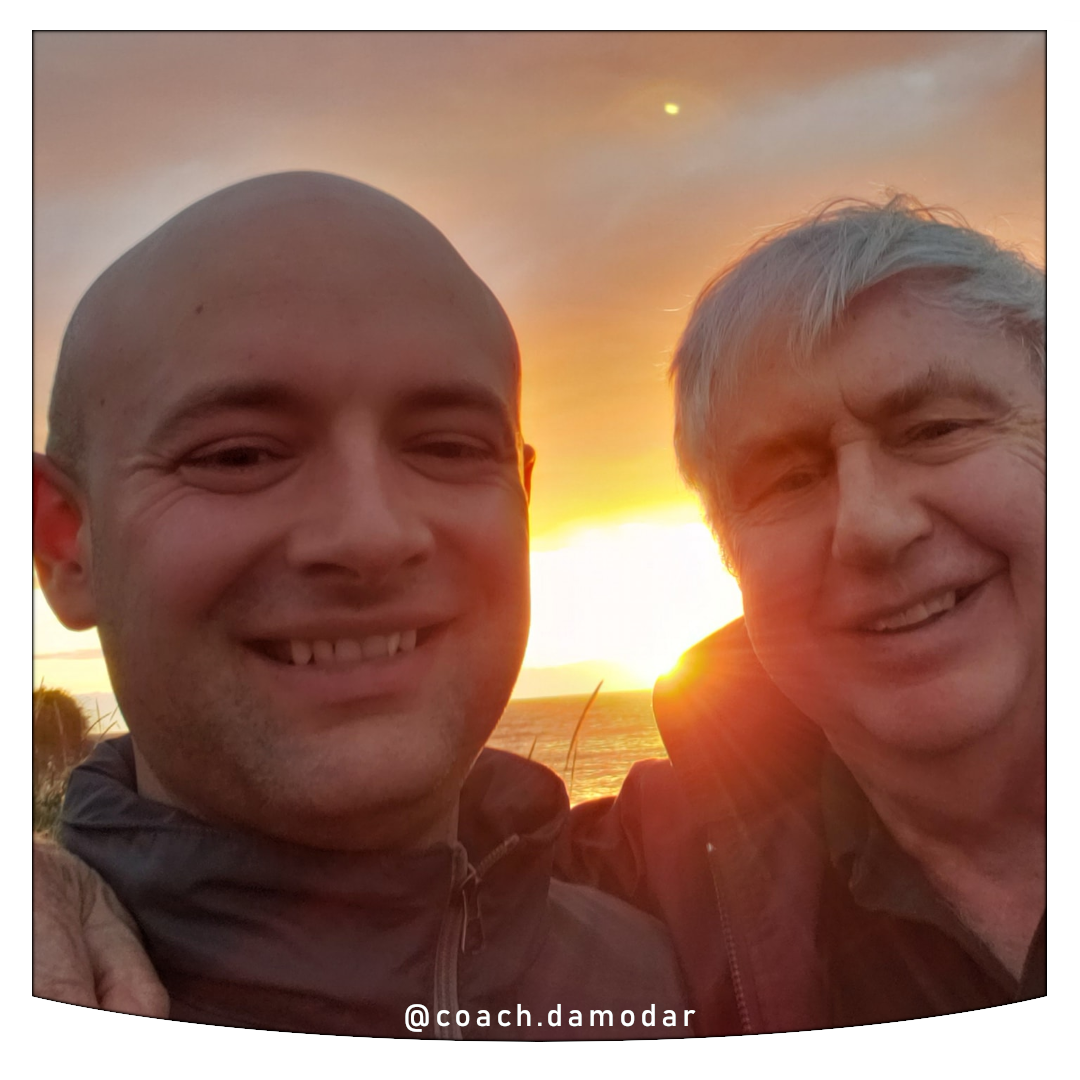
About Me

I assumed my closest friends would remain in my life after we graduated. When I became a monk, I expected people in the temple to act enlightened. I later worked in Alzheimer’s care, assuming compassion would govern decisions. When I sought a relationship, I took for granted that people would sincerely try to make it work.
Reality did not cooperate.
Friendships turned out to be circumstantial. The temple had politics. Alzheimer’s care was constrained by profit. Dating could be shallow. I kept finding myself in the same role: the moralizing preacher, trying to bring people up to the standards I believed they should live by. My message was simple and sincere: “If I remain committed and act with integrity, you should too.”
They didn’t.
What followed wasn’t growth. It was isolation and resentment. I moved horizontally—changing environments, communities, and paths—looking for the right circumstances where my values would finally work. Instead, I hit a wall. The more I tried to force perfection, the more I judged others for falling short, and the more I lost faith in my own potential as well.
It eventually became clear that the problem wasn’t a lack of effort or moral clarity. I had assumed that once the ideal was identified, people—including myself—should simply live up to it. I couldn’t see that this perfectionist model was quietly generating both shame and resentment by demanding too much, too fast, and from the wrong places. I had been treating people as if they were blank slates with infinite possible choices, and blaming them when they didn’t make the “right one.” Gradually, I came to see the faults of that view—and the cost of ignoring them.
The change I needed didn’t come to me from a single source. It came through life experience, good counsel, and sustained reading. As I followed my interests, I began to notice repeating patterns across spirituality, psychology, and sociology. Over time, a deeper realization took shape—rooted in a clearer understanding of human nature and free will.
What emerged was not a new belief system, but a governing constraint. A recognition that the goal isn’t perfect integrity with your values, but integrity with your nature in pursuit of your values.
Life stopped being about perfection and became about progress. I began working with my actual proclivities instead of working against them—marriage instead of monkhood, spiritual life as a lifestyle rather than a race, helping people without comparison to higher earners. People stopped being treated as the authors of my fate and became conditions to be navigated. Standards stopped being measures used to judge others and became filters for commitment. Energy that had been wasted on resentment became available for creativity. I reclaimed trust in myself, found my place in the world, and moved beyond the shame and resentment that had taken me so far off course.
Now, I work with people who hold strong values and find themselves stuck—not because they lack integrity, but because their integrity has been stretched beyond its proper scope—to things they cannot control. The journey is about redirecting those strengths toward self-respecting action.
Writings






I offer a two-session consultation to assess your situation and develop a personalized plan. Spaces are limited.